Addressing Nipple-Areola Concerns Through Breast Enhancement Surgery
Nipple appearance is a common concern for many individuals considering breast enhancement procedures. While often overlooked in general discussions about breast surgery, variations in nipple size, shape, or projection can affect comfort, confidence, and breastfeeding.
When patients come in with questions about nipple or areola-related procedures, they wonder if their concerns are purely cosmetic or if there could be functional improvements as well. Some have inverted nipples that cause irritation or hygiene issues; others might notice changes in nipple or areola appearance after weight fluctuations, pregnancy, or due to genetics. Correcting these issues can bring aesthetic satisfaction and relief from discomfort.
Concerned about nipple shape or asymmetry? Schedule a FREE* consultation with our experts or call (480) 568-2523 to explore your options.
Defining the Nipple and Areola
The nipple and areola are not the same.
The nipple is at the center of the breast and connects to the mammary glands, which produce milk.
The areola is the darker, more pigmented area surrounding each nipple.
Three Most Common Nipple Types and Concerns at Guerra Plastic Surgery Center
Like there are different types of breasts, nipples are as unique as people, with all kinds of sizes, shapes, and quirks. Some, however, feel self-conscious or experience functional issues with theirs. Below are some of the most commonly complained-about nipple variations:
1. Inverted Nipples
Between 10 to 20% of the general population has inverted nipples. Though harmless, they can cause psychological distress and physiological discomfort.
Inverted nipples appear sunken or drawn inward (like a slit or depression) rather than protruding from the breast. This type can be present from birth due to a lack of stromal and connective tissue under the nipple or may develop later in life because of hormonal changes, breastfeeding, or scar tissue.
Some individuals feel awkward or embarrassed because their nipples look different from what others consider “normal.” They may also experience discomfort because of the way the nipple withdraws into the breast tissue. This retraction causes the surrounding skin to rub against clothing, sometimes leading to irritation, chafing, or sensitivity. In more severe cases, the retracted tissue may create small folds or crevices that trap moisture and bacteria, which increases the risk of infections or inflammation. Inverted nipples can also make it difficult for a baby to attach during breastfeeding.
2. Flat Nipples
Flat nipples sit level with the areola. They show little or no projection, even when stimulated or exposed to cold temperatures. Genetic predispositions, age-related breast changes, and certain medical conditions are among the causes.
For many individuals, flat nipples are not a source of concern or discomfort. In some, however, they trigger feelings of self-consciousness because they don’t fit conventional beauty standards or the appearance of nipples typically seen in media. Moreover, for those who breastfeed, it can take effort to achieve a comfortable latch since there’s less tissue for the baby to grasp. Some need to work with a lactation consultant who can demonstrate techniques, such as the use of nipple shields or specific breast massage methods, to encourage the nipple to protrude.
3. Asymmetrical Nipples
In most cases, breast asymmetry (not the nipples) is the underlying issue. One breast might be larger, sits higher or lower, or has a different shape than the other. These differences, which develop naturally or result from aging, breastfeeding, or previous surgeries, can make the nipples look asymmetrical even if they’re not. For some, this unevenness causes worry about how others perceive them, especially during intimate moments. It can impact confidence and lead to feelings of shame or frustration. Related: Breast Asymmetry Correction Options
Wondering if your nipple type needs correction? Schedule a FREE* consultation with our experts or call (480) 568-2523 to know what’s normal, what’s treatable, and what’s right for you.
Role of Breast Enhancement Surgery in Nipple and Areola Correction
Many patients don’t realize how closely the size, shape, and position of the nipples and areolas relate to overall breast aesthetics. Here’s how breast augmentation and breast lift (mastopexy) surgery may improve the appearance of the nipples and areola.
Improving Nipple Projection
Restoring volume to the breasts with implants and employing specialized nipple correction techniques allow surgeons to “engineer” the structural support needed for the nipples to project outward.
Specifically, here at Guerra Plastic Surgery Center, we correct inverted nipples via a technique involving a 3-0 PDS suture in a purse-string maneuver. This method mobilizes the surrounding tissues to replace the missing support and gently push the nipple outward into a natural, well-projected position. We also use a custom-designed dome dressing made of silicone plastic to secure the nipple in its new, projected position using a 5-0 Nylon suture, which remains in place for five days to support stability and healing. Click here for a behind-the-scenes look at our inverted nipple correction procedure.
Repositioning the Nipples
When breasts sag, nipples may point downward or rest lower than desired. A lift repositions the breast tissue, elevating low-hanging nipples to a more aesthetically pleasing height. During the procedure, the surgeon reshapes and secures the breast tissue while strategically positioning the implants to support and enhance the new contour. This technique achieves harmony between the breast shape and nipple placement.
Addressing Asymmetry
About 88% of women have some degree of breast asymmetry, which consequently makes the nipples and areolas look uneven. Plastic surgeons can adjust implant sizes and lift techniques to achieve symmetry in both breast shape and nipple positioning.
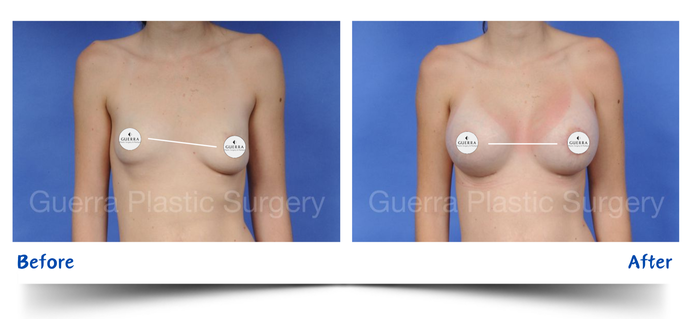
Correcting Nipple Asymmetry with Dr. Aldo Guerra
Balancing Breast, Nipple, and Areola Aesthetics
The end goal is to make the nipple-areola complex look proportionate, aesthetically pleasing, and complementary to the overall breast shape while addressing some functionality issues. If you’re unhappy with how your chest looks or feels, consult our board-certified plastic surgeons in Phoenix, AZ. Dr. Aldo Guerra and Dr. Scott Ogley will listen to your concerns and recommend a personalized plan to help you achieve your desired look. Contact us now to achieve a balanced, beautiful result that makes you feel like the best version of yourself.
Words to Remember Before Scheduling a Plastic Surgery Appointment
Throughout life, nipples naturally adapt to changes from pregnancy, weight fluctuations, and the aging process. Understanding the type of nipple you have and whether it affects your quality of life can help you decide if any form of correction is right for you. Just remember to inform the surgeon if you intend to breastfeed after surgery so that they can consider it when planning your procedure. On the other hand, if you notice sudden or concerning changes, a consultation with a breast care specialist is always the best first step.
