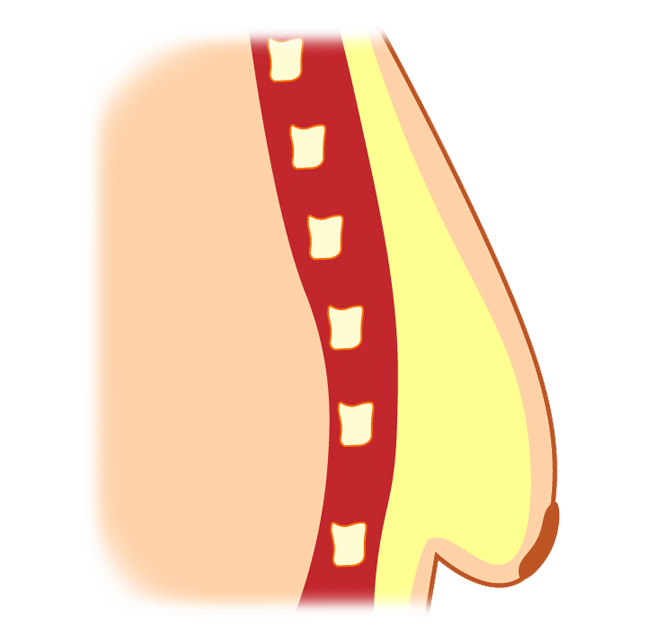
In a world where societal standards dictate specific expectations for physical appearance, men, too, face unique challenges and insecurities. While many may act like appearances are not a big deal, over 90 percent of men struggle with body dissatisfaction. In particular, men with enlarged breasts or “man boobs” may experience embarrassment or self-doubt.
When this condition, known as gynecomastia, occurs during puberty, it may resolve around age 15 or 16 without treatment. Meanwhile, overdeveloped breasts that persist into adulthood may require lifestyle modifications or surgical interventions. The question is, how can men know if it’s gynecomastia or chest fat? Understanding the difference and pinpointing which of the two conditions you have may determine whether surgery is necessary.
Differences Between Gynecomastia and Chest Fat
Allow us to differentiate chest fat versus gynecomastia and go over the ways to achieve a more masculine chest.
What Is Chest Fat?
Chest fat, also referred to as pseudogynecomastia, is the accumulation of adipose tissue in the breast region. The most common causes are hormonal imbalances and genetic predisposition, as well as weight gain or obesity from poor dietary habits and a predominantly sedentary lifestyle.
Characteristics and Symptoms of Chest Fat
Male patients with excess fatty tissue in the chest typically notice a soft and malleable texture. The fat manifests through fullness or puffiness, reducing muscle definition and leaving a more rounded appearance. Chest fat can vary in severity, ranging from mild to more pronounced cases.
How to Reduce Chest Fat
Addressing chest fat requires implementing positive lifestyle changes aimed at reducing overall body fat. For example, regular cardiovascular activities, such as running or swimming, can help burn calories and promote fat loss. Incorporating strength training exercises like bench presses and push-ups can also build chest muscles and carve a more masculine shape.
Of course, as any doctor recommends, adopting a balanced and nutritious diet is also essential. On top of exercising, reducing calorie intake, avoiding junk and processed foods, and limiting alcohol consumption can contribute to weight loss and reduce chest fat. We highly recommend following the CDC’s guide to Healthy Eating for a Healthy Weight to kickstart your weight loss journey.
What Is Gynecomastia?
Gynecomastia, or the enlargement of glandular breast tissue, is a common medical condition with a prevalence of up to 65 percent among men aged 50 to 80. It occurs due to an imbalance between testosterone (male hormone) and estrogen (female hormone) levels, increasing the size of male breast glands.
Other factors contributing to gynecomastia’s development include hormonal fluctuations during puberty, hormonal imbalances in adulthood, underlying medical conditions (an overactive thyroid, liver cirrhosis, some malignant disorders), intake of certain medications, and genetics.
Features and Symptoms of Gynecomastia
Unlike chest fat, gynecomastia involves the enlargement or overdevelopment of glandular tissue rather than the accumulation of fat alone. The breast tissue in gynecomastia may feel firm or rubbery to the touch, and it can sometimes be tender or sensitive. Although it often affects both breasts, it can also occur in one, leaving an asymmetrical appearance.
Gynecomastia vs. Chest Fat: A Closer Comparison
Now that you understand the basics let us compare gynecomastia and chest fat side-by-side to help identify whether you have a simple case of the latter or gynecomastia.
1. How Does Your Chest Look?
In most cases, excess fat in the chest appears saggy or undefined. On the other hand, glandular tissue that causes gynecomastia often appears contoured or round. The nipple area may also protrude forward or away from the chest.
2. How Does Your Chest Feel?
Chest fat feels like how fat does in any other area of the body. It is softer to the touch, especially compared to gynecomastia, which is firmer and sometimes rubbery. You may also feel a mass or lump beneath the skin.
Inflammation and pain, whether mild or severe, is also a possible gynecomastia symptom. It is uncommon for these sensations to arise with chest fat alone.
3. If You Improved Your Lifestyle, Did It Change Anything?
Unlike fat cells that can shrink with consistent diet and exercise, the firm tissue in gynecomastia is resistant to healthy lifestyle choices.
4. How Old Are You?
Older men, especially those who are overweight or obese, are more likely to experience excess breast tissue later in life. Hormone-related changes, such as the natural decline of testosterone levels, are common causes.
As for young men who have excess chest fat and have not undergone puberty, this could simply be age-related. Over time, their hormones will work themselves out and “flatten” the chest region. Maintaining a healthy diet and engaging in regular exercise will also help.
How to Diagnose Gynecomastia
While the key indicators mentioned serve as a guide for differentiating gynecomastia from chest fat, seeking medical assistance is the only way to receive an accurate diagnosis.
If you suspect having gynecomastia, a primary care physician or endocrinologist can conduct a thorough examination and review your medical history. Additional diagnostic exams, including laboratory analyses (bloodwork, urine tests, biopsies) and imaging studies, may be necessary to ascertain the underlying cause of enlarged breasts.
Can Gynecomastia and Chest Fat Co-Exist?
Glandular gynecomastia and fatty tissue can occur at the same time, leading to a combination of firm glandular tissue and softer fatty tissue in the chest area. Patients must consult with a healthcare professional to determine the exact nature of the tissue and develop an appropriate treatment plan.
Treatment Options: Male Breast Reduction Surgery in Scottsdale, AZ
The primary surgical option for gynecomastia and chest fat includes excision – the removal of excess glandular tissue. In some cases, the best board-certified plastic surgeons may combine male breast reduction surgery with liposuction techniques to deliver the defined, masculine contours patients desire.
Fortunately, Guerra Plastic Surgery Center has performed countless chest contouring procedures. If you have excess glandular tissue that’s affecting your confidence, contact us now to schedule a personal consultation. We look forward to meeting you and answering all of your questions about gynecomastia surgery in Phoenix and Scottsdale, Arizona.
